
Ultimate List of Marketing Books

In the world of marketing, the only constant is change. If you’ve been in the industry for any length of time, you’ve likely noticed that the strategies that worked yesterday are rapidly being replaced by unconventional new approaches. This shift becomes even more apparent when you look at how far the landscape has traveled in just a few decades.
While the eighties and nineties were dominated by mass media, they also saw the rise of massive TV, print, and billboard advertising, which were characterized by catchy jingles and iconic branding. While the 2000s brought about the digital revolution, search engine marketing, social ads, and email marketing became dominant tools. Cut to the present day, and we are witnessing the next great shift: the rapid rise of AI.
I have rounded up the best marketing books to read that span this entire ecosystem. These picks are categorized so you can easily browse the topics that matter most to you, whether you’re looking to master foundational psychology or future-proof your strategy with AI.
Psychology & Consumer Behavior
If there’s one thing great marketing depends on, it’s understanding the “why” behind human action. Why do we trust certain brands over others? Why do some ideas catch on while others fade?
These selections explore the psychology of persuasion, offering a deep dive into what makes an idea stick. By understanding these triggers, you can develop a better targeted outreach that resonates on a deeper level.
1. Influence: The Psychology of Persuasion, Revised Edition by Robert B. Cialdini
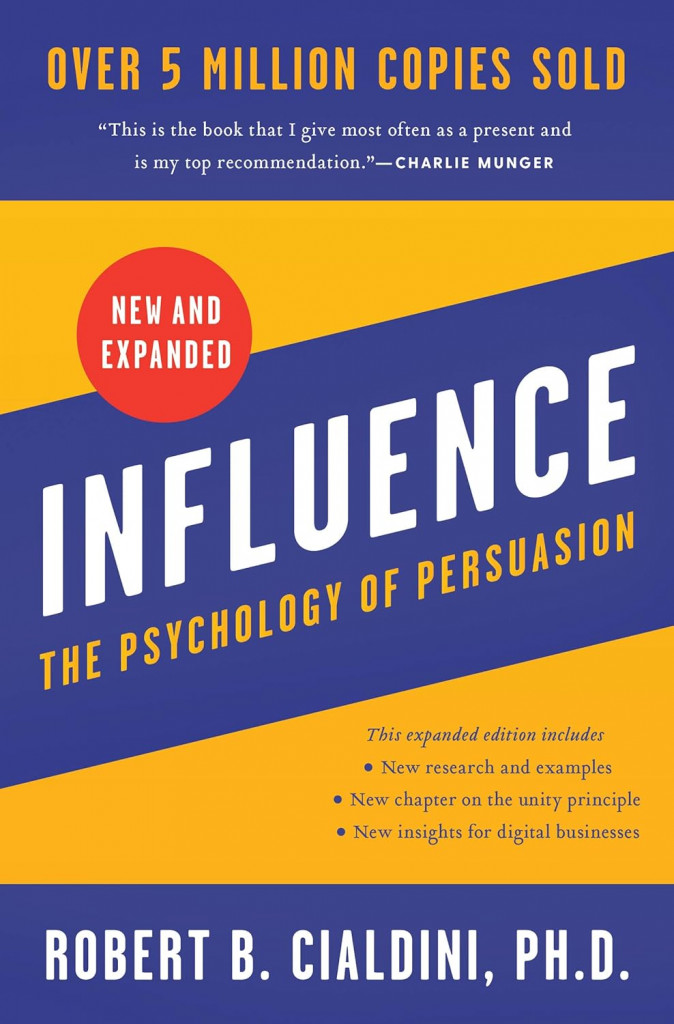
A classic book on persuasion and consumer psychology.
Why it matters
Dr. Robert Cialdini is a leading expert in influence and persuasion. In this book, he breaks down the science behind why people say “yes” and how these patterns show up in everyday decision-making. It clearly explains how human behavior shapes responses in sales, marketing, and everyday interactions. This practical look at real-world influence is highly relevant in today’s competitive space; if you are new to psychology, you should read this book first.
Key takeaway
Human behavior is guided by six core principles of persuasion: reciprocity, scarcity, authority, consistency, liking, and consensus. These research-backed principles form the foundation of many effective marketing strategies.
Best for
Marketers and sales professionals looking to understand better decision-making, the power of persuasion, and how to apply these insights in real-world marketing strategies.
2. Contagious: Why Things Catch On by Jonah Berger
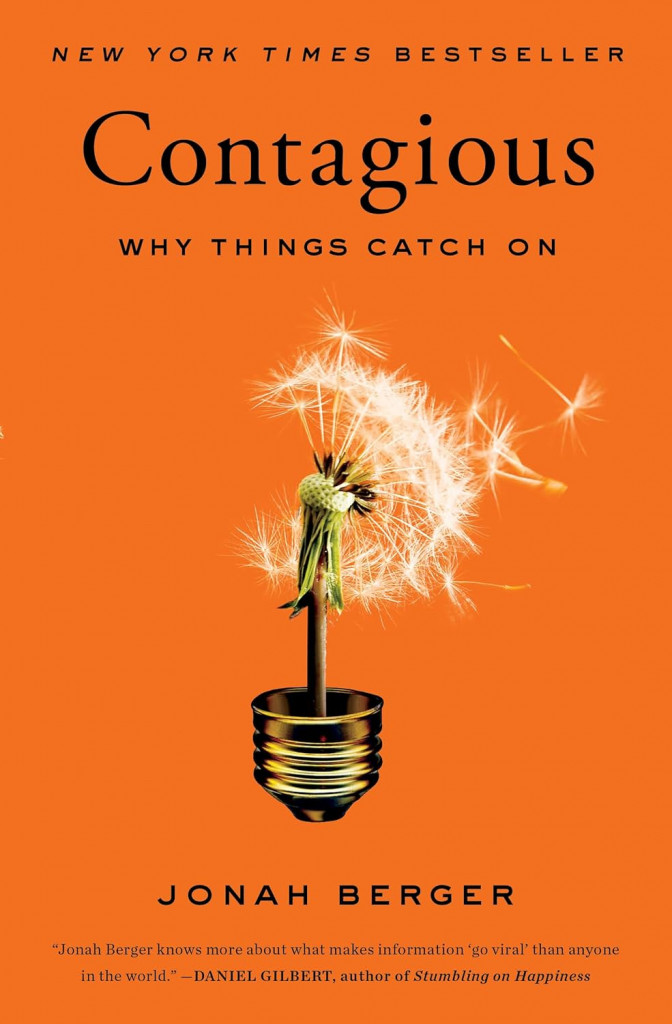
A bestselling book on virality and word-of-mouth marketing.
Why it matters
When was the last time a well-known product caught your attention because everyone seemed to be talking about it? That’s exactly what Wharton School marketing professor Jonah Berger explores in this book. He shows how word of mouth marketing and social transmission continue to play a major role in shaping successful marketing campaigns.
According to the author, ads and traditional marketing alone aren’t enough. Instead, he explains what makes certain ideas go viral – like why people share them, talk about them, or pass them on. Once something enters a conversation, it has the potential to gain real traction, which is why this stands out as one of the best marketing books everyone needs to explore.
Key takeaway
Ideas don’t spread randomly. Berger introduces the STEPPS framework, which explains the factors that make something more likely to be shared. For a marketer or entrepreneur, this reinforces that strong marketing plans are built around human behavior. When applied well, this leads to more effective, organic marketing.
Best for
Marketing professionals and founders looking to build stronger tactical approaches, especially in content marketing and social media marketing.
3. Made to Stick by Chip Heath and Dan Heath
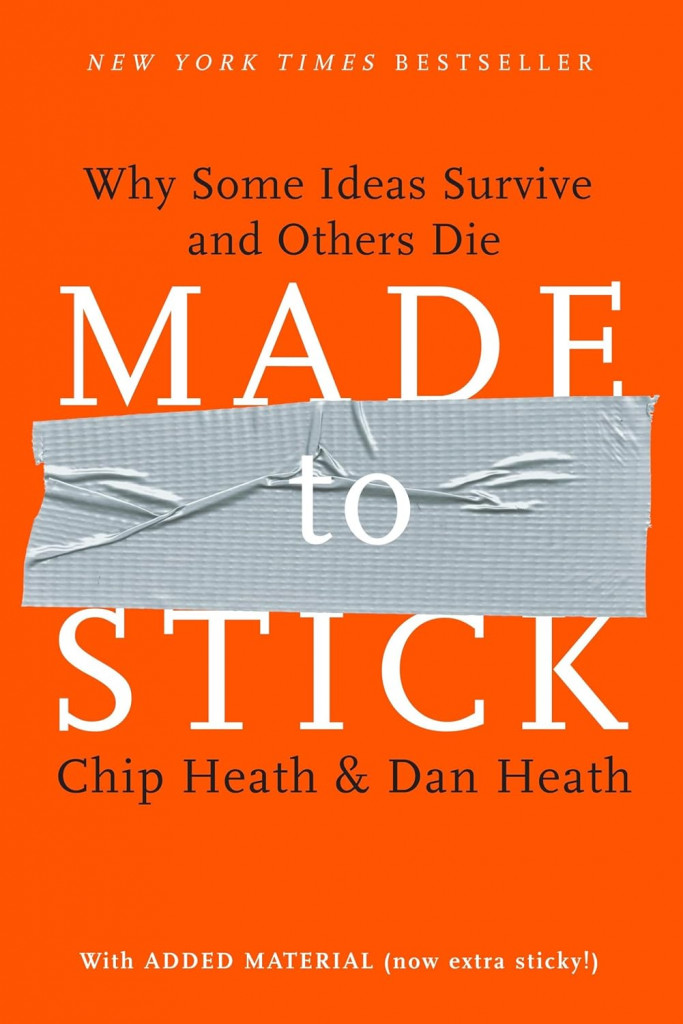
A practical book on memorable ideas and messaging.
Why it matters
Certain ideas stay with you while others are forgotten almost instantly. Have you ever wondered why that happens? Chip and Dan Heath decode that very phenomenon – what makes ideas and stories memorable and impactful.
What makes this stand out on a list of best marketing books is its ability to break down how concepts can be communicated more effectively, whether in marketing campaigns, presentations, or everyday communication. It highlights how clarity and simplicity are key to creating compelling messages that truly resonate and stick with your audience.
Key takeaway
The authors introduce the SUCCESs framework, along with concepts such as the “Velcro Theory of Memory,” that explain how to make ideas more memorable. For any marketer, these principles form the foundation of effective marketing strategies.
Best for
Marketers and entrepreneurs looking to communicate ideas more clearly and make their messaging more memorable, especially in content marketing and brand communication.
4. Blink: The Power of Thinking Without Thinking by Malcolm Gladwell
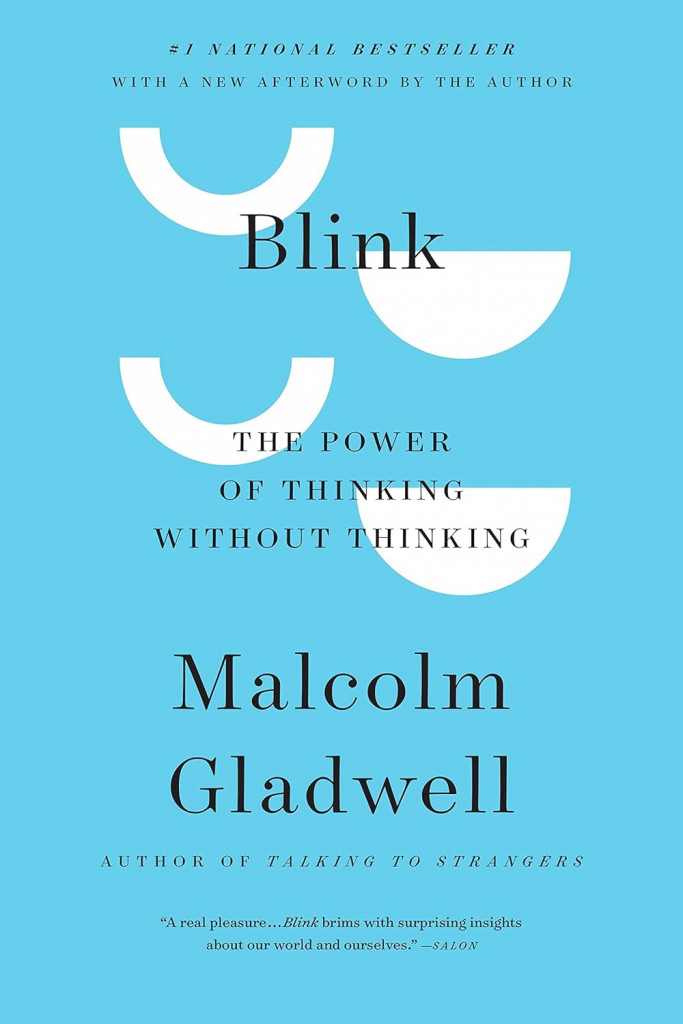
A bestselling book on intuition and quick decision-making.
Why it matters
What drives our tendency to make snap decisions in the blink of an eye? Malcolm Gladwell explores this phenomenon, showing that more information doesn’t always lead to better judgment. In many cases, quick decisions can be just as powerful, particularly when they are informed by experience.
He explains that our instincts, shaped by experience, play a key role in how we make decisions. At the same time, these instincts can be influenced by bias – something every marketer should understand when navigating today’s marketing landscape.
Key takeaway
Gladwell introduces the concept of “thin-slicing,” which explains how we make quick judgments based on limited information rather than extensive analysis. Blink shows that while these rapid reactions can be surprisingly accurate, they are often susceptible to unconscious thinking and bias. Through various examples, he highlights how instinctive reactions can lead to both strong insights and significant errors.
Best for
Marketers and entrepreneurs looking to understand better decision-making, intuition, and how quick judgments influence consumer behavior and marketing strategies.
5. Buy.ology by Martin Lindstrom
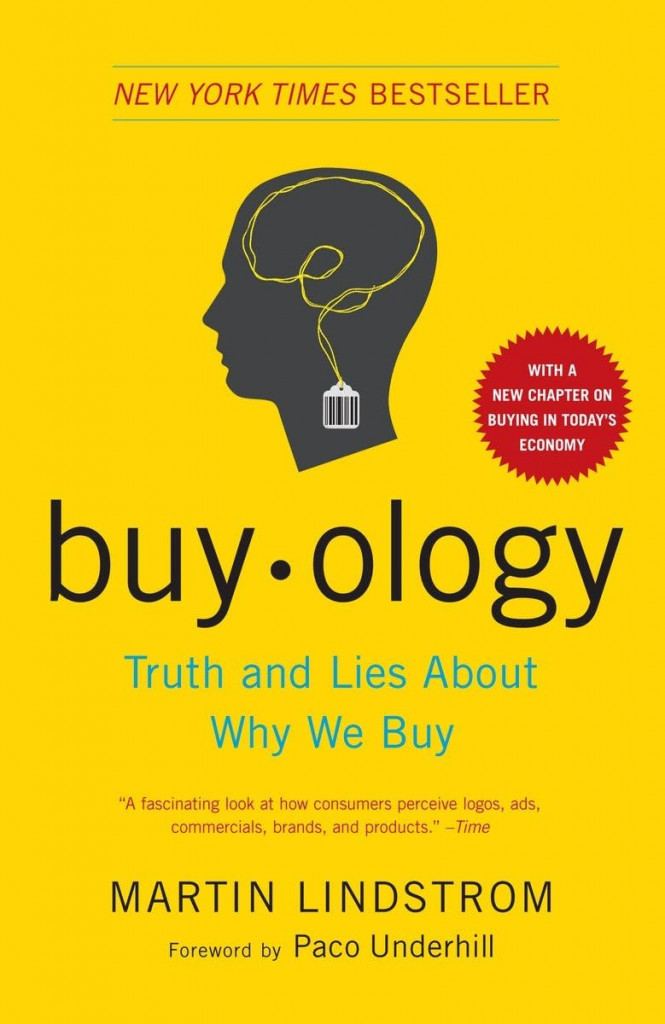
A marketing book on neuromarketing and buying behavior.
Why it matters
Does our environment affect our purchasing decisions? What really sways us when we decide to complete a purchase? These are some of the simple yet complex questions the author tries to answer. In this book, neuromarketing studies serve as the basis for uncovering the factors that influence consumer behavior.
Lindstrom maintains that relying on surveys or stated preferences to understand purchasing behavior is not always accurate. Instead, he uses brain-imaging research to analyze how emotions and subconscious cues influence our buying decisions. This unique perspective makes it one of the best marketing books for those interested in the “hidden” side of the industry.
Key takeaway
Purchasing decisions are influenced by subconscious triggers rather than logical thinking. For any marketer, this highlights the importance of understanding deeper psychological responses when building marketing plans and brand experiences.
Best for
Marketers and entrepreneurs looking to better understand consumer behavior, branding, and how subconscious influences shape purchasing decisions.
Branding, Creativity & Differentiation
When it comes to creating an impression, a brand’s appearance makes a huge difference, but branding is much more than a mascot, a tagline, or a logo. It is the identity you shape and how people actually remember you.
In today’s flooded markets, standing out requires more than just design; it requires creativity in your positioning, messaging, and storytelling. Think of brands like Apple – they build trust and drive recall by offering an experience that draws you in completely. These next selections explore how to build brand equity and differentiate yourself through real-life examples.
6. The Brand Gap: How to Bridge the Distance Between Business Strategy and Design by Marty Neumeier
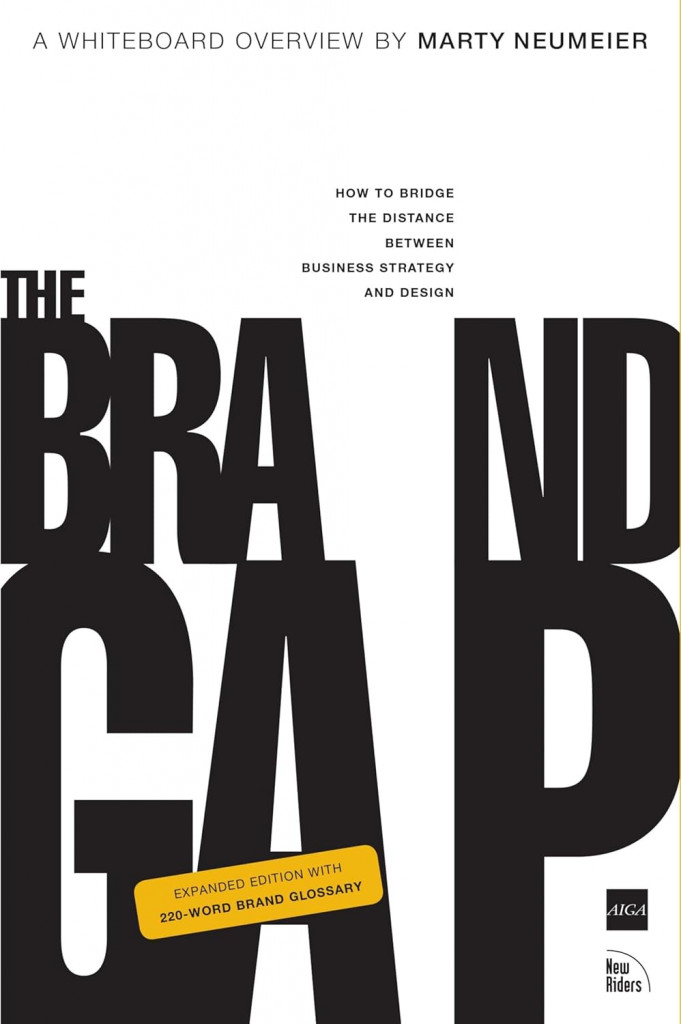
A branding book on strategy, design, and identity.
Why it matters
Defining your brand identity can be tricky. There is often a disconnect between what a company wants to stand for and how it actually presents itself. The end result can be a hit or a miss, and in many cases, brands struggle to stand out truly. Through this book, Marty Neumeier focuses on how to close the gap between strategic thinking and creative execution.
Key takeaway
The Brand Gap breaks down the void between strategy and design and highlights the key disciplines involved in building a strong brand. It also focuses on how to create a consistent and meaningful brand experience.
Best for
Entrepreneurs, founders, and teams working on branding and marketing, especially those involved in product marketing and brand development.
7. Shoe Dog by Phil Knight
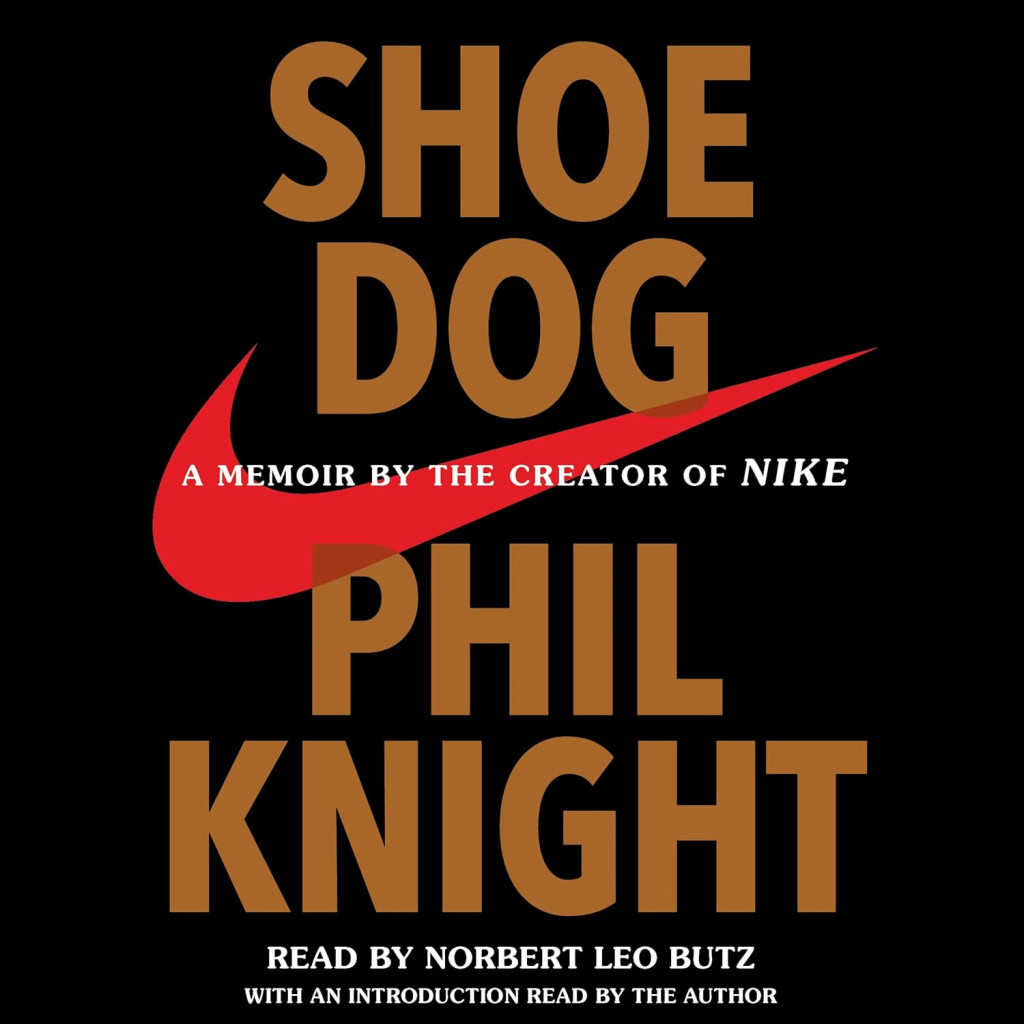
A memoir on building Nike into a global brand.
Why it matters
Shoe Dog is a riveting, bare-it-all memoir of Nike’s founder and CEO, Phil Knight. It walks you through his early days, from starting his business to building one of the most recognizable brands in the world, including the journey behind the swoosh logo and the obstacles he faced along the way. Knight’s experiences offer a valuable learning curve for anyone looking to start something new.
Key takeaway
Brand recognition isn’t built overnight; it takes years of consistent effort, a thick skin, and the ability to be ready for any eventuality. Consider this book as one of your case studies, closely examining how long-term thinking and risk-taking can lead to marketing success. It also highlights the realities of marketing theory in practice, where decision-making isn’t always straightforward.
Best for
Founders, business owners, and teams looking to understand how a brand is built from the ground up. It is especially useful for those seeking practical marketing advice and real-world insights into building a company.
8. Originals: How Non-Conformists Move the World by Adam Grant
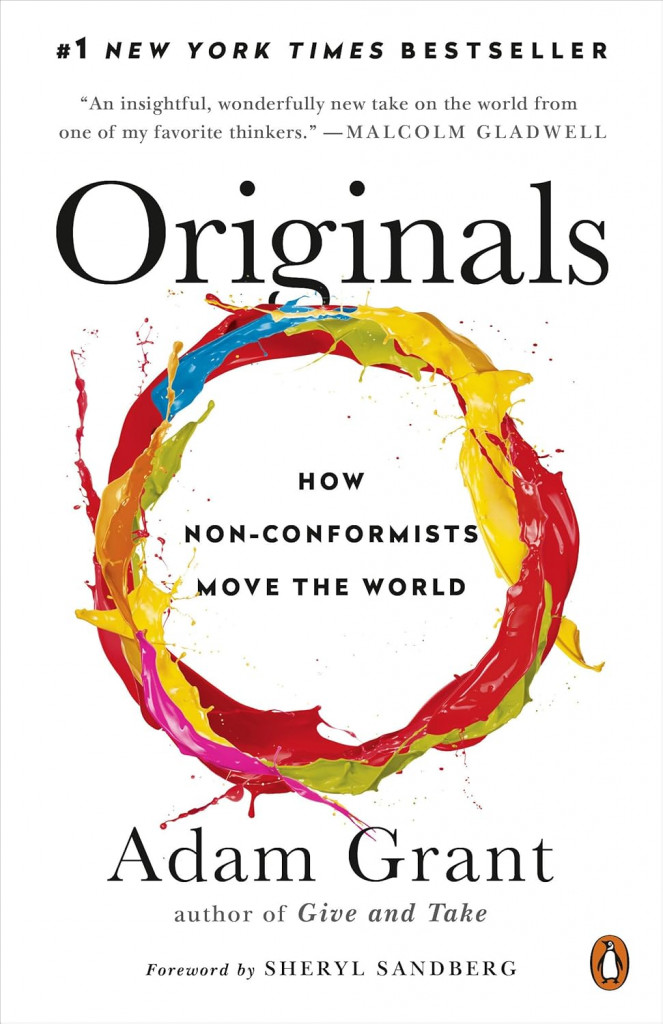
A bestselling book on creativity and original thinking.
Why it matters
The book Originals champions the cause of pushing original ideas that question and challenge existing diktats and traditions. Grant argues that groundbreaking insights are often born not out of thin air but from re-examining the world we already know. He uses several stories as examples from different backgrounds, such as sports, politics, and entertainment, to further this theory.
Key takeaway
Grant’s book teaches how to recognize a good idea, speak up and get people to listen, manage fear and apprehension, and build a culture that supports and nurtures originality. It also shows how to present and defend unconventional ideas when working on creative decisions and strategy in modern marketing.
Best for
Founders, business owners, and teams looking to think differently, challenge conventional thinking, and build ideas that stand out, especially in creative and strategic roles.
9. Purple Cow by Seth Godin
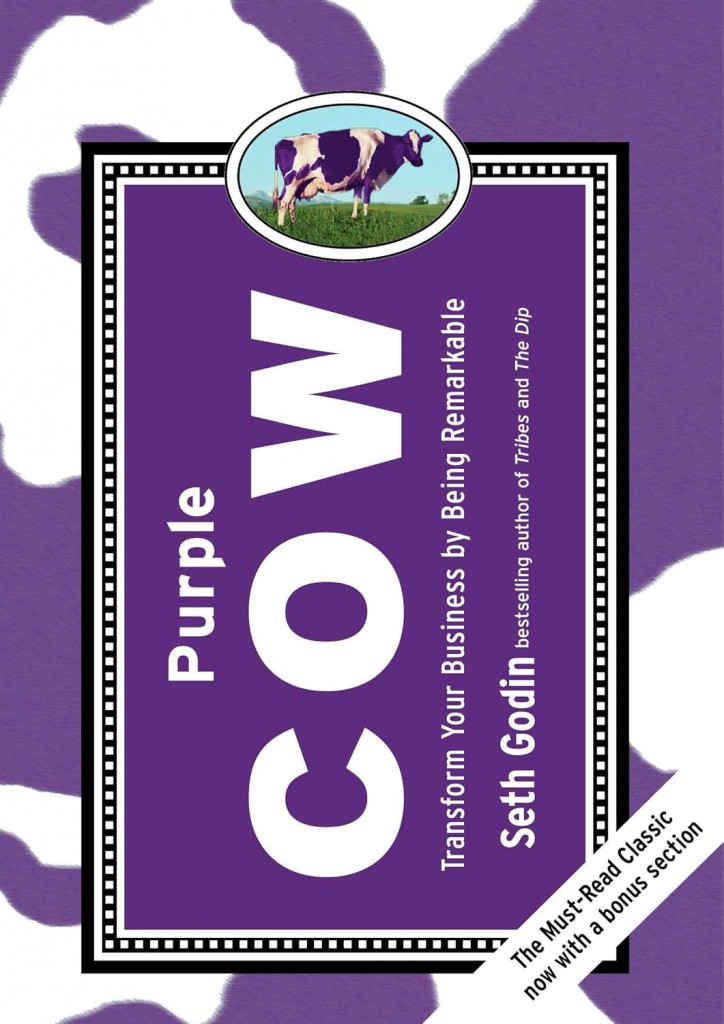
A classic marketing book on standing out and differentiation.
Why it matters
Seth Godin uses the “Purple Cow” as a metaphor for a unique, remarkable product that demands attention, while “brown cows” represent the boring, invisible products that saturate today’s markets. Godin argues that traditional marketing “P’s” are now obsolete. In a world flooded with the same-old, the only way to survive changing consumer preferences is to be truly remarkable.
Key takeaway
Seth Godin rejects the idea of fitting in. Instead, he encourages adopting strategies that go against the usual norms of marketing that aim at pleasing everyone. Don’t play it safe. It’s better to take risks than to stay boring and blend in.
Purple Cow presents the concept of “remarkability,” where marketing begins at the earliest stage of product development. He also talks about channelizing your focus on finding your niche by offering something no one else is doing, a key concept taught in many marketing courses as well.
Best for
Business owners, product developers, and startups with limited ad budgets. It is a must-read for any marketing professional looking to create something out of the box.
10. Hello, My Name Is Awesome by Alexandra Watkins
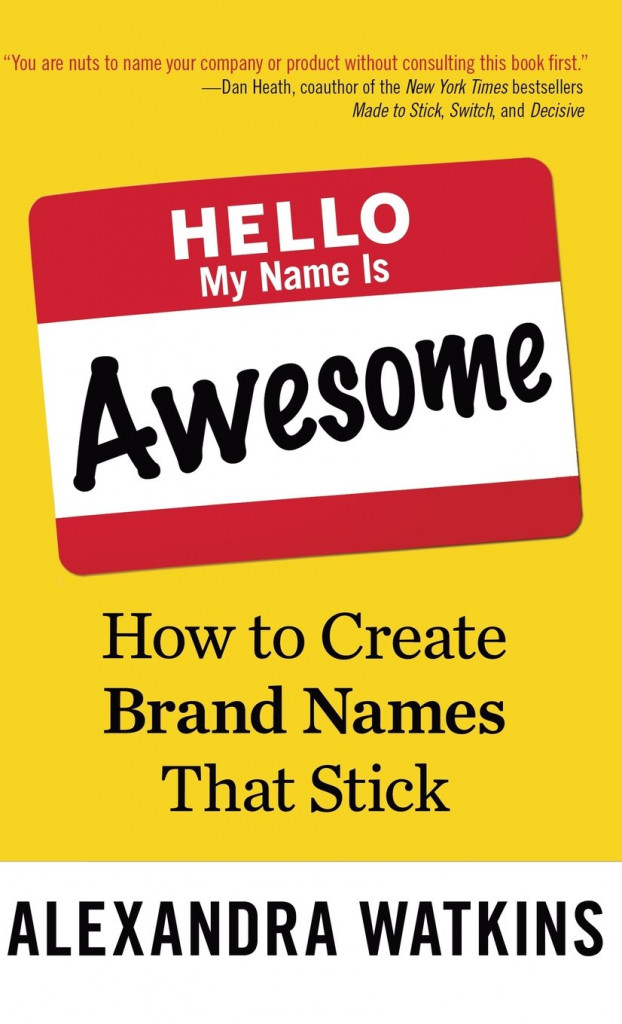
A branding book on creating memorable brand names.
Why it matters
What’s in a name? In the literary world, it may carry a certain meaning or idea, but in branding, it’s how people recognize a name and the power it holds. Watkins’ understanding of brand naming is impressive. In this conversational and witty marketing book, she explains how to create memorable and resonant names, even if you’re not naturally a wordsmith.
Key takeaway
This book stands out for the way it uses real-world examples to highlight what works and what doesn’t. Watkins uses several brands as case studies, highlighting which names work well and which don’t. She also introduces the ‘SMILE & SCRATCH’ test, which explains how a strong brand name makes you smile, while a weak one leaves you confused.
Best for
This guide is essential for anyone in brand marketing/ building who is in the early stages of building a business. It is especially useful for those who find the naming process intimidating and are looking for a structured, creative framework to ensure their brand resonates with their target audience from day one.
If you’ve made it this far, you’re already ahead of most marketers who stop at surface-level insights.
If you’re serious about improving your marketing strategies and applying what you learn from these marketing books, consistency is what makes the difference. Start small, pick one book, and actually implement what resonates with you.
Content Marketing & Strategy
Today, the marketing world favors a more subtle, value-driven approach – informing audiences through blog posts, YouTube videos, guides, and newsletters. These formats allow people to learn and build trust over time. Simply put, a loud “BUY THIS NOW” carries far less weight and credibility than a genuine “HERE’S SOMETHING USEFUL FOR YOU.”
However, effective content doesn’t happen by accident; it requires a strategic marketing plan to be successful. Mindless, directionless posting can actually have a negative effect on your brand. To build a lasting association with your audience, content must become your backbone, eventually driving the leads, conversions, and engagement your business needs.
11. Permission Marketing: Turning Strangers into Friends and Friends into Customers by Seth Godin
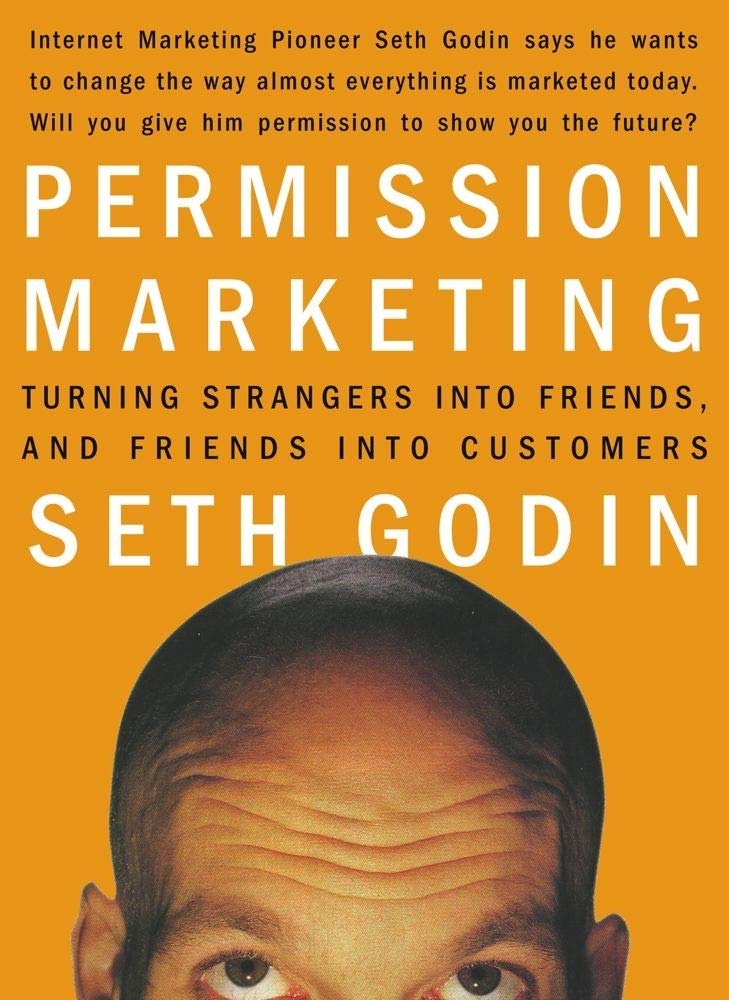
A classic book on trust-based and email marketing.
Why it matters
Internet marketing maverick Seth Godin takes on the ambitious task of defining the new rules of marketing through this book. He uses the term “interruption marketing” to describe traditional methods, as their sole purpose is to disrupt and grab attention. While these outdated tactics are eroding gradually, Godin introduces a revolutionary replacement concept that has become the blueprint for successful email marketing.
Key takeaway
While traditional ways of marketing rely on bombarding you with updates, Godin’s concept works on a more principled rule of trust and relevance. The only way to win your audience is to engage with them. Through this book, the author teaches you how to build a trustworthy relationship, making customers willing to hear from you. He elaborates on the different levels of permission and how they lead to long-term loyalty.
Best for:
This book is a great read for people building audiences and working with content focused on long-term growth.
12. Epic Content Marketing (2nd edition) by Joe Pulizzi and Brian Piper
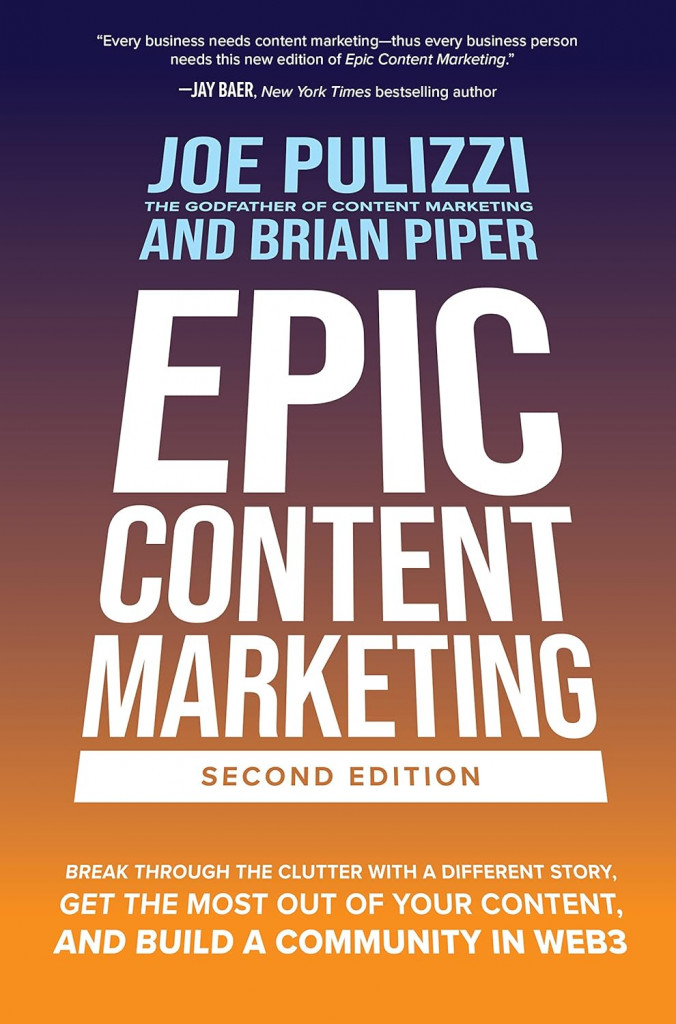
A practical guide to content marketing and audience growth.
Why this matters
Joe Pulizzi and Brian Piper released the original version of this book over a decade ago, when content marketing was just picking up within the field of marketing. It certainly created a lot of buzz back then, but this newly updated second edition comes packed with even more knowledge. It covers everything the digital space has witnessed over the past few years by shedding light on the “creator economy.”
The premise of this book teaches you how to keep your audience entertained and engaged with compelling content while building trust and positioning yourself as an expert. It breaks down how to navigate a path that aligns marketing and sales to bring in long-term results.
Key takeaway
Since the goal is to compel your audience to act without directly telling them to, the authors lay out new models and structures to help you strategize. The book includes updates on content mergers, acquisitions, team structures, and how to make data-driven decisions to optimize your output.
Best for
Individuals working in content creation or strategy, and anyone whose business relies heavily on social media platforms for growth.
13. Building a Story Brand by Donald Miller
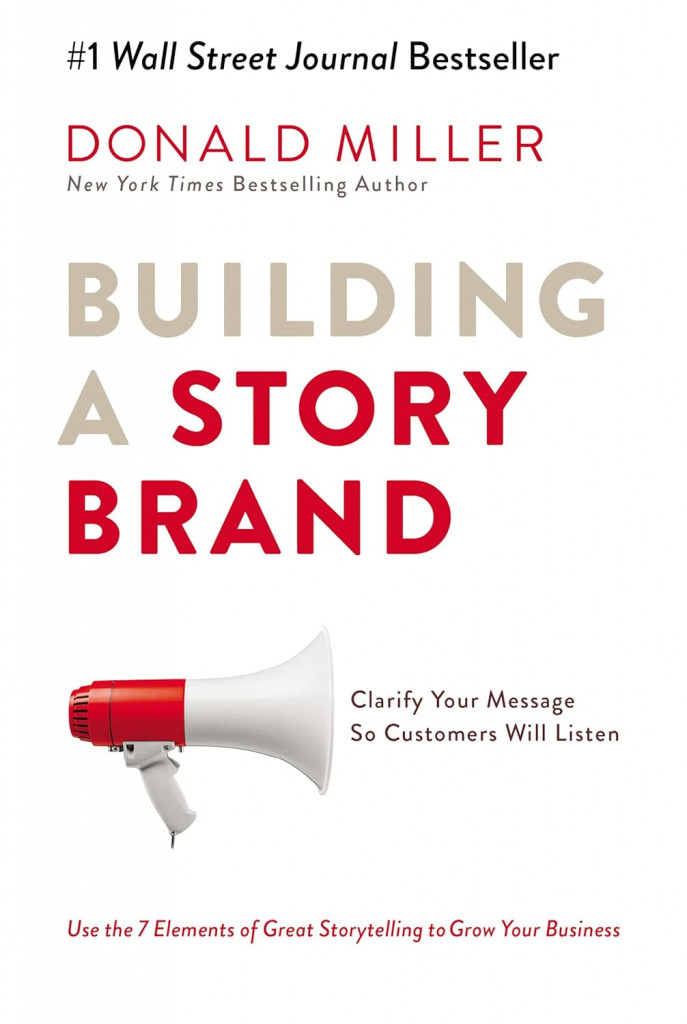
A marketing book on storytelling and brand messaging.
Why it matters
As a small or large enterprise owner, have you ever felt unable to communicate your business effectively to prospects? If so, then this book is for you. The foundation of any business relies on how it presents itself, and communication plays a massive role in this. Without a clear message, customers will not understand what you offer, leading them to disengage and potentially lose sales.
Donald Miller is here to teach you how to talk about your business effectively so there’s clarity in your messaging. Building a StoryBrand is not limited to those with a marketing background; people from all professions can use this book’s advice to better market themselves.
Key takeaway
Miller teaches you to use the seven universal elements of powerful stories to dramatically improve your connection with customers. He reiterates that fluff and overly creative wording can leave a customer lost. In short, he prefers that brands sound “clearer than clever,” because according to the book, a confused customer is a lost customer.
Best for
People struggling with messaging and positioning, or anyone working on brand communication and websites, who want to bring structure to their business’s voice.
14. This is Marketing by Seth Godin
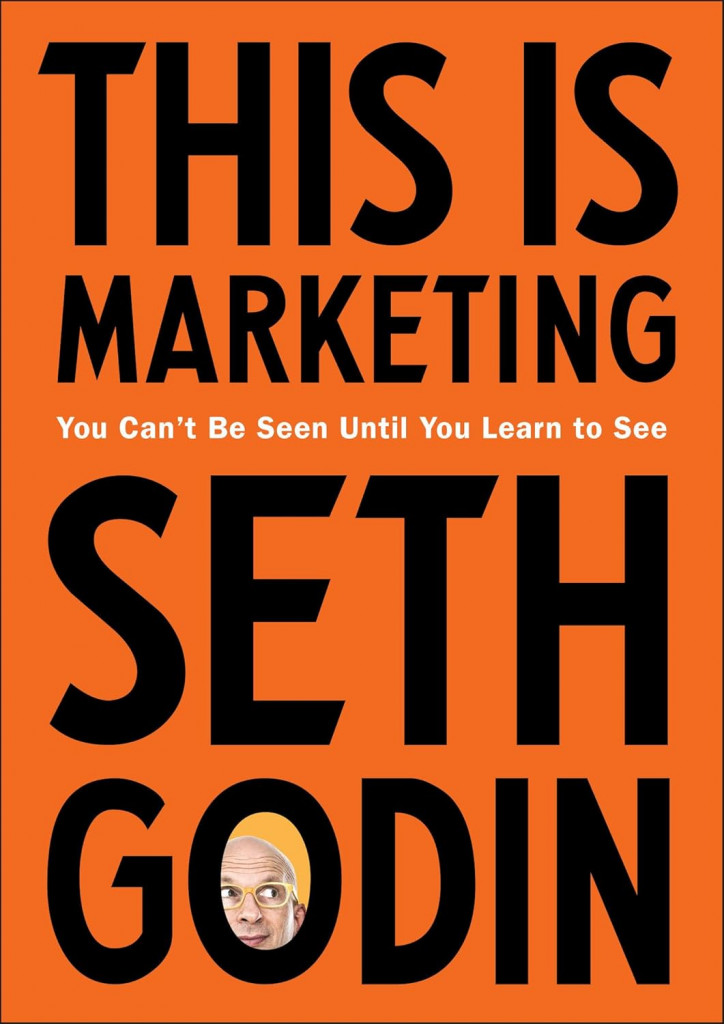
A modern marketing book on empathy and audience building.
Why this matters
Many believe that marketing is a straightforward process based on logic and theories that involve pushing a product. However, through this book, Godin busts that myth and asks readers to stop looking at the industry through a myopic lens.
He doesn’t believe in shouting about a brand through aggressive methods like spammy ads or cold calls. Instead, his proposed approach comes from a place of awareness- helping people and solving their problems. According to Godin, effective tactics are based on empathy and emotional connection. In short, marketing works best when it starts with a genuine connection and a desire to serve.
Key takeaway
The author argues that you should not market to everyone. Instead, focus on a specific audience – the “smallest viable market” – that is most compatible with your brand. This is a recurring theme in many books about marketing. He shares key concepts such as “the bridge” and the importance of building trust over time to ensure long-term resonance.
Best for
Any marketing consultant or professional working on building audiences, a content strategist, or anyone who wants to understand customers better and build trust.
15. The One Page Content Marketing Blueprint by Prafull Sharma
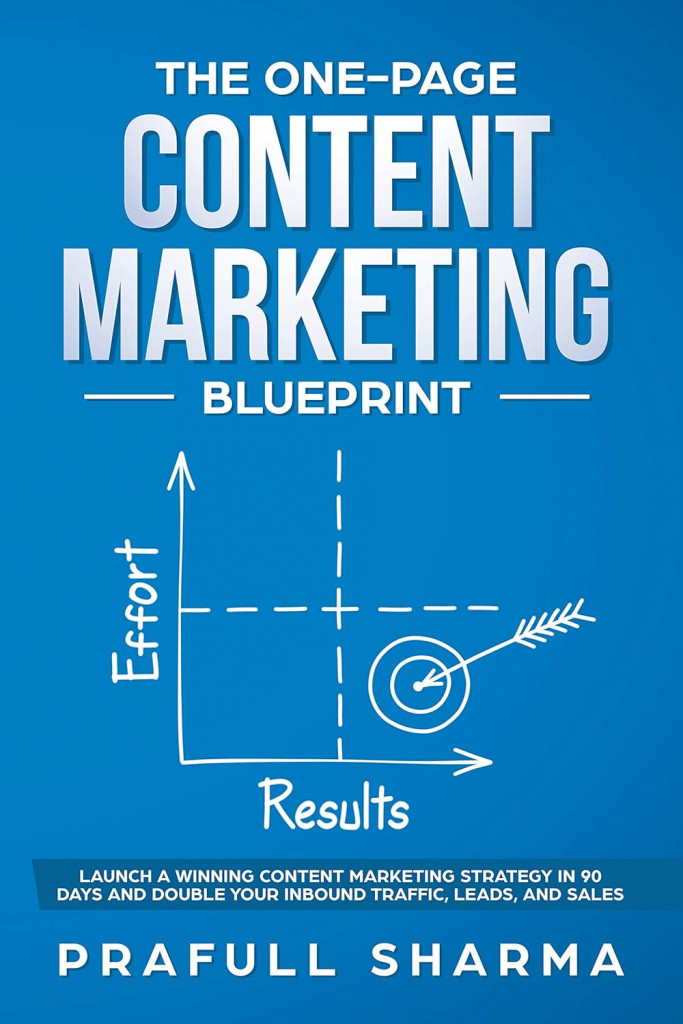
A practical guide to simplified content marketing strategy.
Why it matters
Before wrapping up this section, we have to include our founder’s book as well. This highly practical guide offers brief but comprehensive insight into content marketing, taking readers through different targeted strategies you can implement immediately. It’s a great tool to keep on hand for at-a-glance reminders and inspiration when you need to jumpstart your creative process.
Key takeaway
Prafull Sharma provides actionable tips on how to translate marketing theory into long-term success. The book focuses on a “blueprint” approach- stripping away the complexity of traditional planning and giving you a clear, one-page framework to follow. It’s designed to help you stay consistent without feeling overwhelmed by the technical side of the industry.
Best for
Small business owners, solo creators, and teams looking for a simplified, highly effective way to manage their content without getting lost in long-form strategy documents.
Growth & Digital Marketing Strategies
Whatever tactics or strategies you used yesterday may not be applicable today or tomorrow; that’s why this ecosystem is always in a state of flux. This section is all about the mechanics of how products actually move in the modern marketing world – how they grab attention, build habits, and scale across different platforms.
It’s one thing to have a great idea, but it’s another to get that idea into the hands of thousands of people. These books focus on the “engines” of growth, aligning your sales and marketing to drive traffic and optimize every part of the user journey.
16. Hooked: How to Build Habit-Forming Products by Nir Eyal
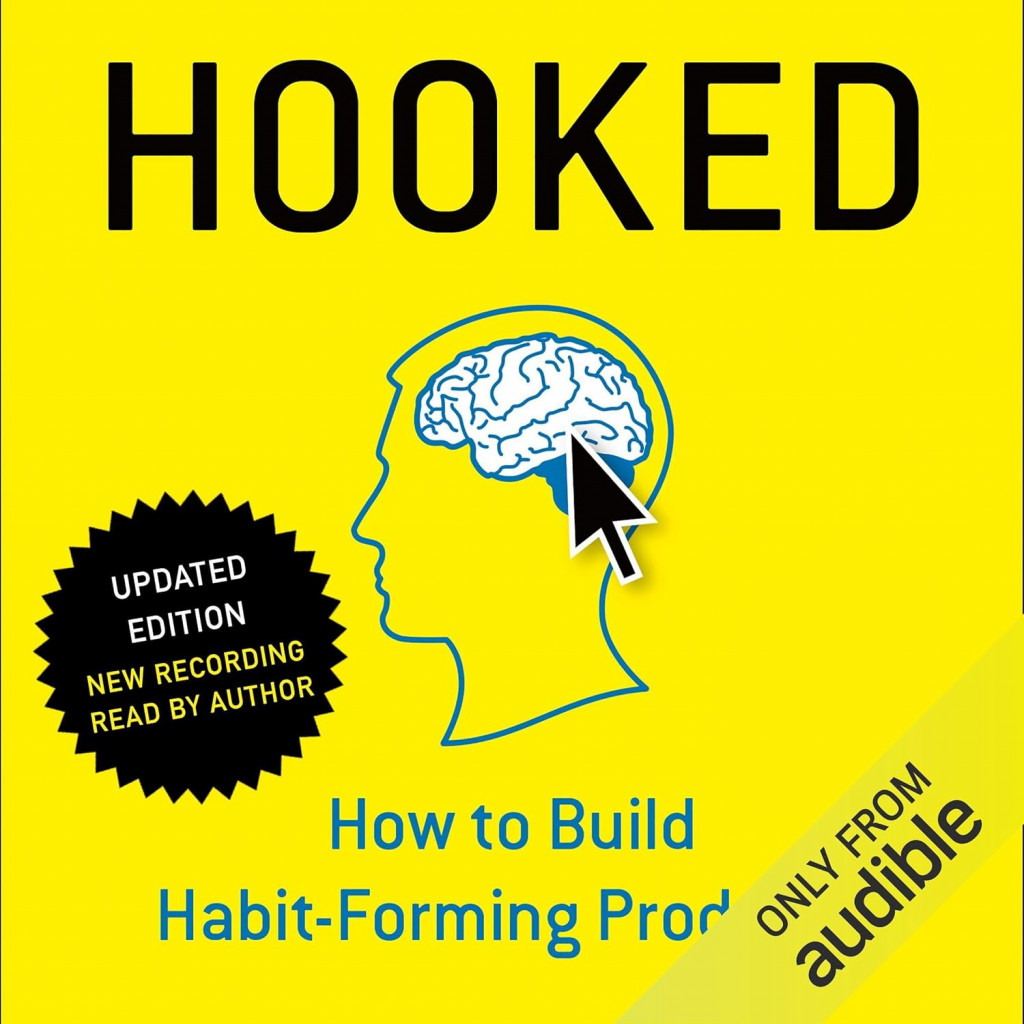
A guide to building habit-forming products.
Why it matters
Have you ever come across products that you can’t get enough of? Is it out of sheer habit that you keep choosing them over others? In this business book, Nir Eyal addresses these intriguing questions by looking at the psychology behind our favorite apps and digital tools. This is especially relevant today, as we navigate a world where platforms are designed to be an integral part of our daily lives.
Key takeaway
Eyal introduces the “Hook Model,” a four-step process that helps businesses build customer habits. This approach focuses on “unprompted engagement,” where users return to the product on their own. By understanding these triggers, brands can move away from aggressive advertising and instead build a product that naturally draws the audience back.
Best for
People building digital products or product teams focused on retention and user engagement.
17. Jab, Jab, Jab, Right Hook by Gary Vaynerchuk
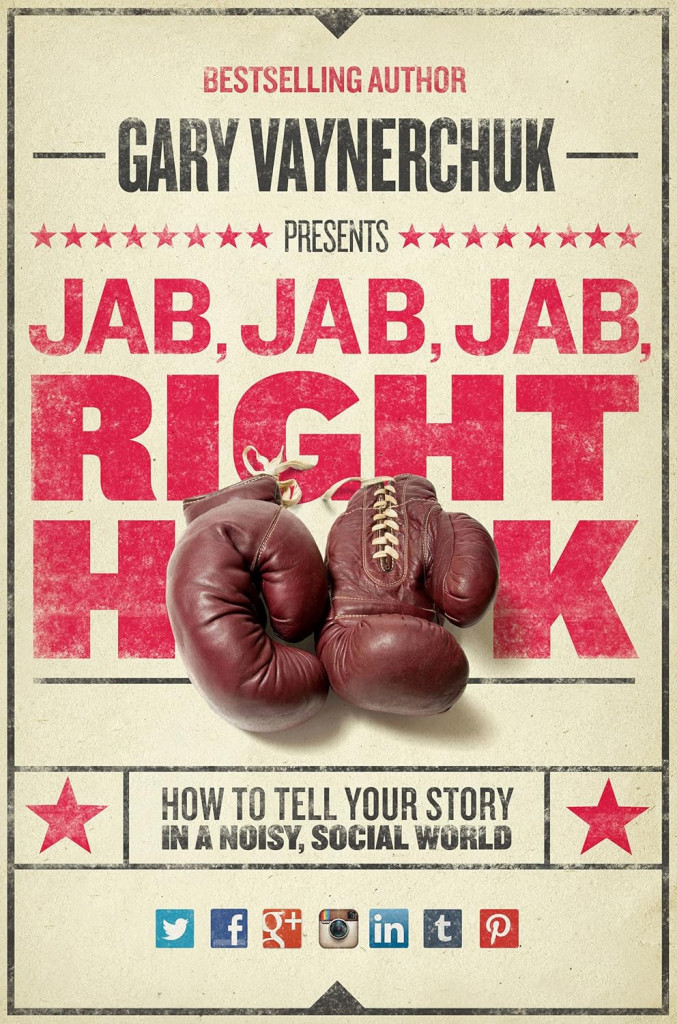
A guide to social media storytelling and marketing.
Why this matters
The title may come across as aggressive at first glance, but Vaynerchuk’s rationale stems from his understanding of how to actually reach a target audience. In this context, a “jab” represents adding value, while a “hook” is the ask or the sale. Most companies fail to foster a connection because they try to sell before providing any substance. This book provides a masterclass in current promotional methods, showing how to lead with value before ever asking for a transaction.
Key takeaway
Throughout the book, Vaynerchuk emphasizes that “shouting” the same message across every platform doesn’t work. You must craft a message specific to the platform’s unique context. What works on Instagram likely won’t click on Facebook because the user bases behave differently. He highlights the importance of understanding platform behavior and crafting content that is optimized for fast scrolling on both mobile and desktop screens.
Best for
Ideal for any social media or marketing manager responsible for content promotion who wants to understand the nuances of different digital platforms.
18. Traffic Secrets by Russell Brunson
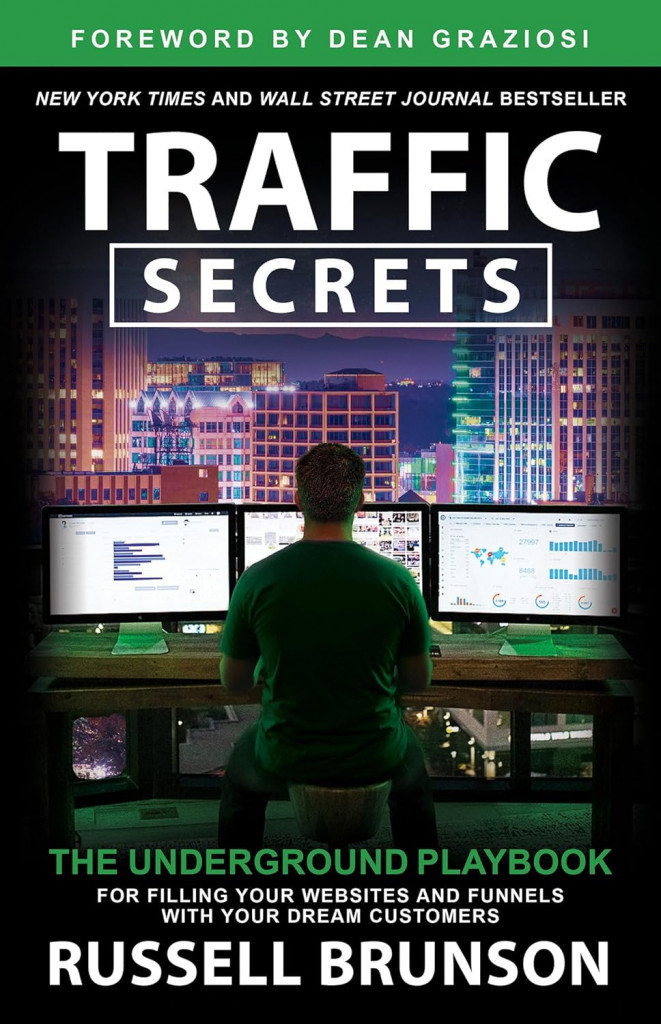
A marketing book about website traffic and online customer growth.
Why it matters
Your brand is ready, and the product is out in the market, yet you haven’t made considerable strides with your business. This is often because you’re unable to reach your customers. Traffic Secrets breaks down marketing to reach buyers directly, helping you connect with the right audience more effectively.
Key takeaway
Brunson sheds light on classic direct marketing techniques along with emerging trends. He asserts that you cannot wait for traffic to come to you; instead, you have to make a proactive effort to be visible. Throughout this book, you learn market-tested strategies such as identifying who your dream customer is, where they congregate online, and using the right hooks to get them to notice your offer.
Best for
Marketing leaders and professionals who are struggling with audience growth and want to understand how to drive consistent distribution.
19. A/B Testing: The Most Powerful Way to Turn Clicks Into Customers by Dan Siroker and Pete Koomen
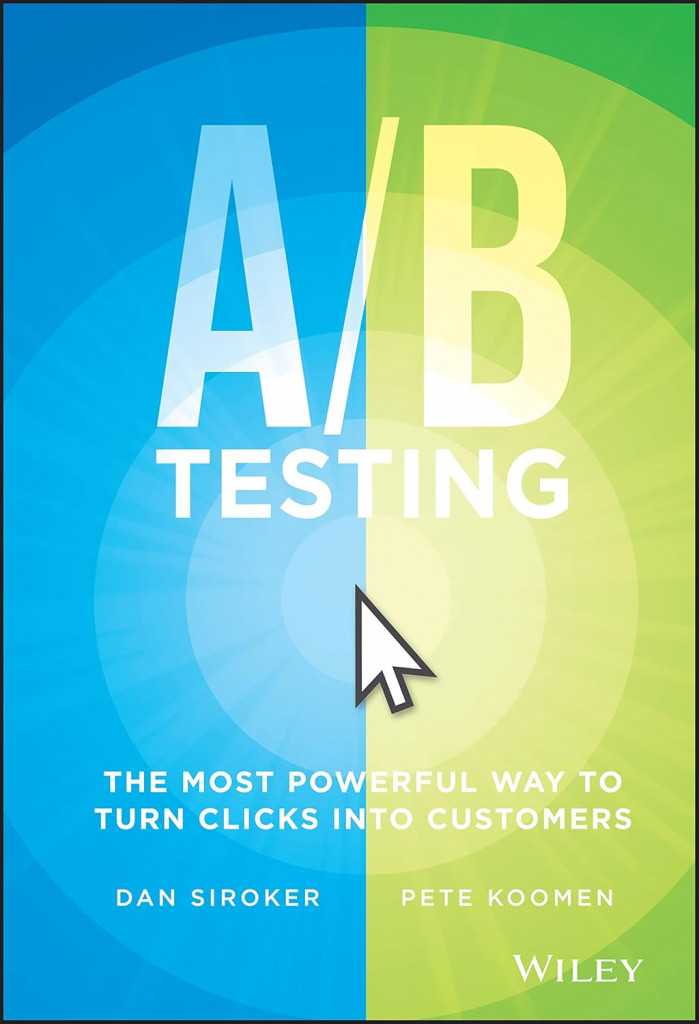
A marketing book on testing, conversions, and data-driven decisions.
Why it matters
Are your traffic numbers actually converting into sales? Major companies use data-driven testing to answer this question and stay ahead of the competition. A/B testing serves as a litmus test for your brand, helping you track and analyze conversion rates so you can reach your goals.
Key takeaway
Authors Dan Siroker and Pete Koomen offer advice on best practices derived from more than 300,000 experiments. From deciding what to test to choosing the right software solution, the book covers how to create personalized experiences that resonate with users. It provides a clear roadmap for moving away from “gut feelings” and toward decisions backed by real-world data.
Best for
You don’t need technical expertise to benefit from this; it covers the fundamentals well for anyone directly running campaigns, managing funnels, or looking to optimize their marketing and content to improve conversions.
Strategy, Innovation & Positioning
A successful marketing strategy is all about making choices and deciding what not to do, whereas positioning is how people perceive your brand and where you stand. But strategizing and positioning are not enough. Today, markets are flooded with brands, and competition is no longer limited to product prices and features.
Innovation is the key to aligning your long-term marketing goals with actual customer needs. This involves new ideas and approaches that eventually allow brands to create new markets. It is about understanding why customers choose you, and not just what you offer. Lined up are some of the best books on marketing that delve deep into marketing strategies and tactics, offering great insights and advice.
20. Competing Against Luck: The Story of Innovation and Customer Choice by Dr. Clayton M. Christensen, Taddy Hall, Karen Dillon, and David S. Duncan
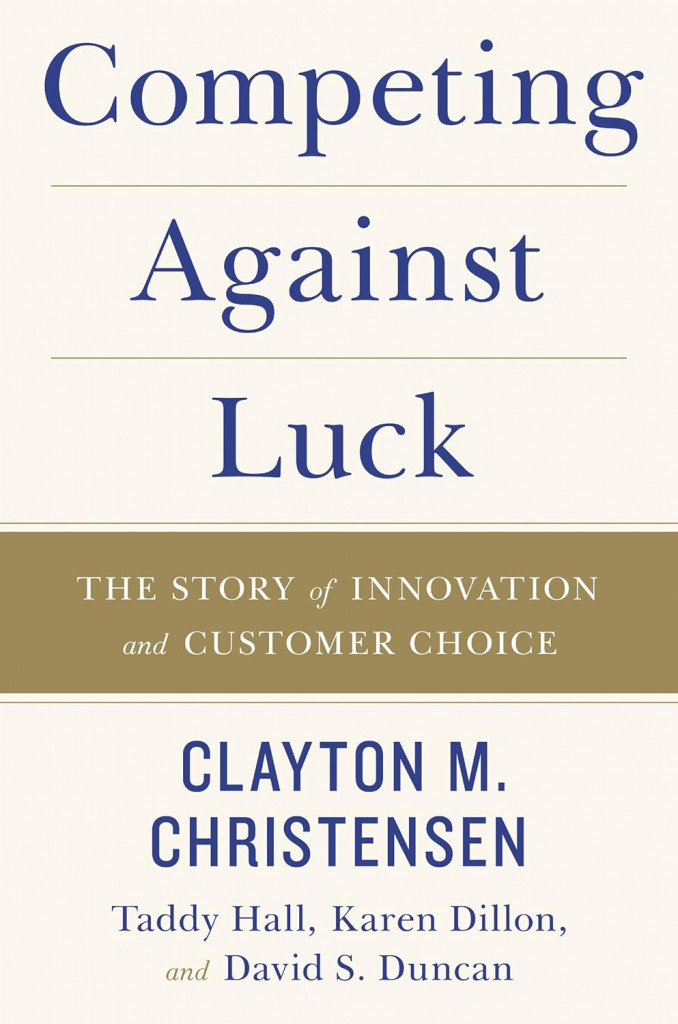
A strategy book on innovation and customer behavior.
Why it matters
Contrary to popular belief, standard research methods such as tracking demographics and surveys are not always reliable for understanding why a customer chooses a certain product. The authors instead elucidate a unique theory: that customers often ‘hire’ a product to solve their specific problems. This perspective shift is crucial for any brand wanting to achieve long-term growth.
Key Takeaway
The authors present the “Jobs to Be Done” theory, which addresses the fundamental need for innovation. In this framework, a product is viewed as something that is ‘hired’ to complete a job. Since this gap is often missed by demographics and surveys, it can create a space for products that address specific struggles. Christensen also discusses the major fallacies of innovation that big companies often fall prey to. Following the advice mentioned here can give you a competitive advantage over your rivals.
Best For
Teams, professionals, and brand directors who build products or are looking to improve their product line. It is also great for those who want to analyze customer behavior, product managers, and researchers looking to reduce the rate of innovation failure.
21. Obviously Awesome by April Dunford
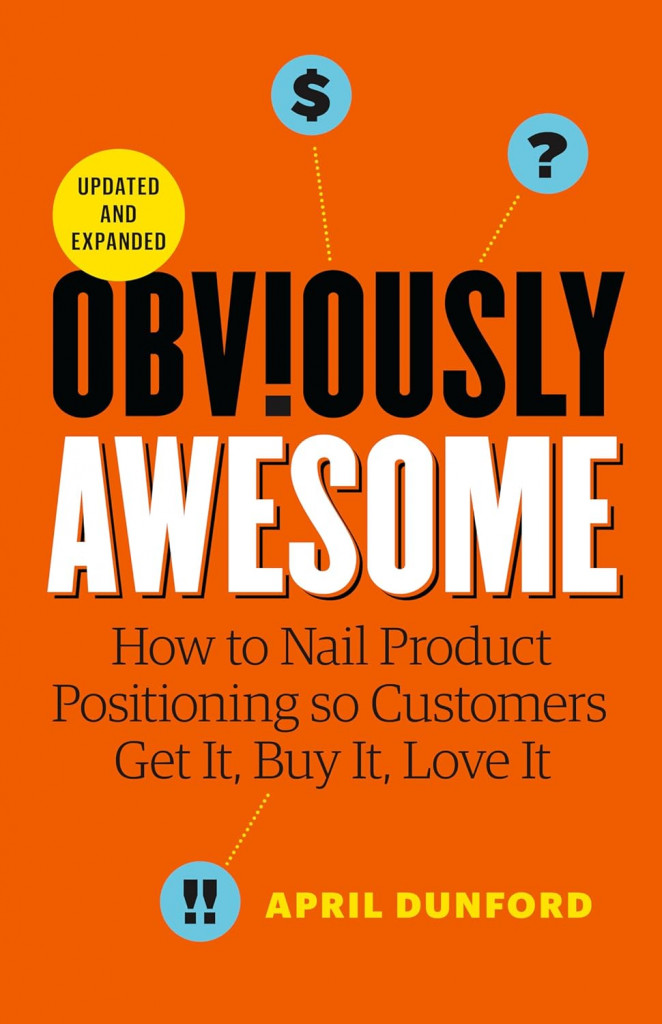
A positioning book on differentiation and product marketing.
Why it matters
April Dunford, a positioning guru and tech executive, enlightens you on how to discover your product’s “secret sauce” and leverage it to break through the noise in a crowded market. This is one of the best books that, while being marketing focused, isn’t a boring or monotonous read. Instead, the author infuses the book with witty anecdotes and shares enriching insights drawn from her years of experience in the art of marketing.
Key Takeaways
Dunford reiterates that positioning is about context – how a product or service is understood and compared with alternatives. She presents the “Five Components of Effective Positioning,” which help you define your target customer, category, unique value, and more. This framework is essential for ensuring your marketing communications actually resonate with the right audience.
Best For
Startup founders, any marketing team, or a marketing manager struggling to bring innovative products to an existing or new market. It is also ideal for anyone looking to refine their messaging, positioning, or product marketing strategies.
22. Good Strategy / Bad Strategy by Richard Rumelt
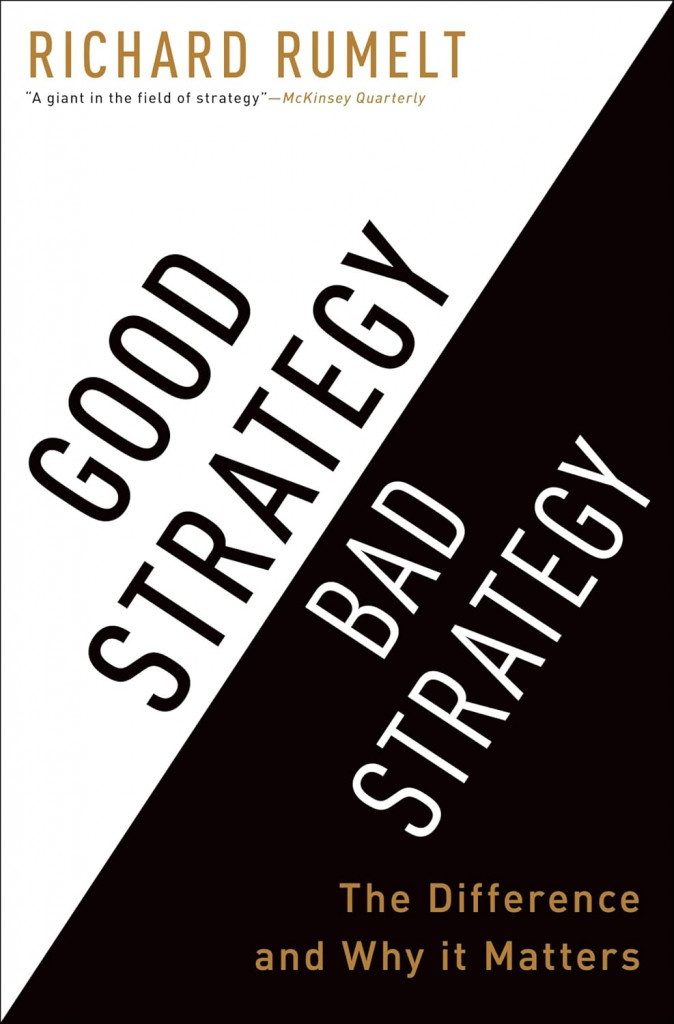
A business book on strategy, leadership, and decision-making.
Why it matters
Rumelt’s book acts as a comprehensive guide to recognizing what differentiates a good strategy from a bad one. The author argues that most organizations suffer from “bad strategy,” which is often mistaken for setting goals, making and executing plans, or simple ambition. This great marketing book instead focuses on clarity and actionable steps that can be characterized as “good strategy,” yielding tangible results rather than just vague industry buzzwords or fluff that won’t stand the test of time.
Key takeaway
Strategy is about solving a specific challenge and not trying to do everything. Rumelt teaches that a strategy is not the ultimate goal. He introduces “Kernel” – a framework with three specific elements: diagnosis, guiding policy, and coherent actions. Including these in your marketing mix will help you derive your “good strategy” that effectively bridges the gap between your sales and marketing departments.
Best for
People in leadership roles, like agency leaders, brand managers, executives, or anyone who is closely linked to business strategy, as well. It is widely considered one of the essential books every marketer should read to understand how to build a plan that actually works.
23. Blue Ocean Strategy by W. Chan Kim & Renée Mauborgne
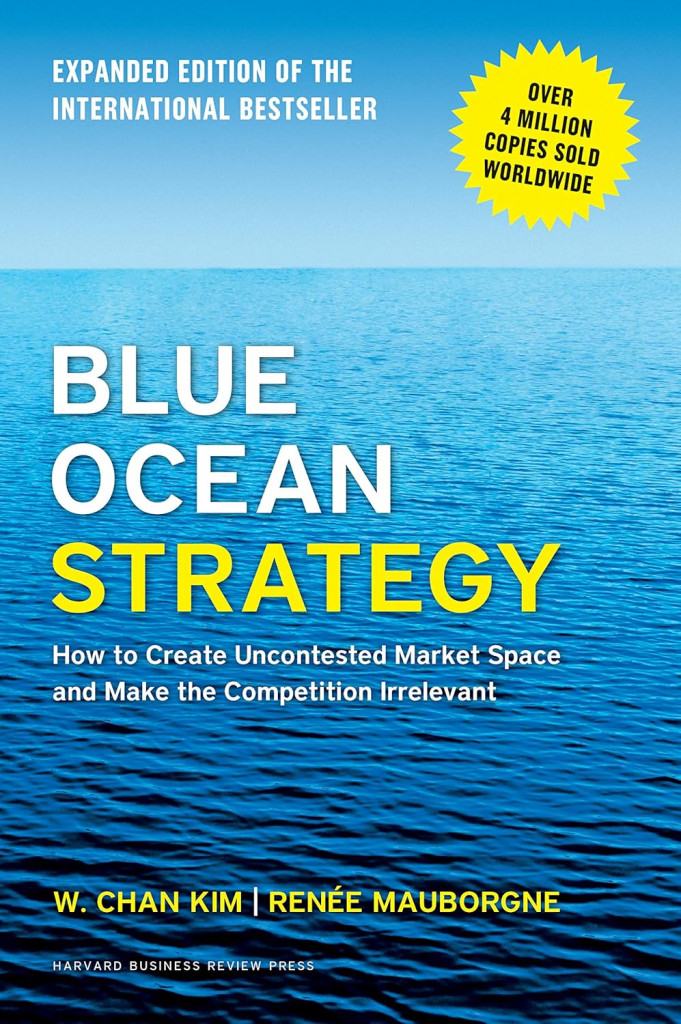
A strategy book on innovation and market differentiation.
Why it matters
Widely considered a top marketing book of all time, this guide by Kim and Mauborgne is one of the most iconic and impactful strategy books ever written. Most businesses compete in crowded markets, leading to stiff competition and price wars that leave the market ‘bloody,’ turning it into a “Red Ocean.” The authors argue that high-growth success comes from creating “Blue Oceans”- new, uncontested market spaces where competition is irrelevant because you are operating in an uncharted domain.
Key takeaway
The book centers on value innovation, which aims to achieve both differentiation and low cost. Instead of grinding it out against rivals, you can create blue oceans by using the “Four Actions Framework” introduced by the authors. By applying these principles, a business stops competing on the same old features and instead creates a “leap in value” for both the company and its customers. Mastering this level of differentiation is what enables viral marketing to reach buyers more naturally, as the product begins to stand out on its own.
Best for
Brand strategists, product developers who wish to create meaningful products in competitive markets, and anyone wanting to shift their focus from competition to innovation.
AI & The Future of Marketing
The world of digital marketing is on the precipice of another evolution, and it is a good time to witness the much-anticipated intersection of marketing and technology. I have selected two essential digital marketing books that illustrate exactly how symbiotic these two phenomena are becoming.
AI is no longer optional. Instead, it’s adept at leveraging data and recognizing patterns that help you craft and plan more effective online marketing campaigns. Besides, customers want relevant communication and tailored experiences, which can be achieved through personalization. AI is here to help you improve your decision-making and efficiency in maintaining a steady business strategy.
24. Marketing Artificial Intelligence by Paul Roetzer
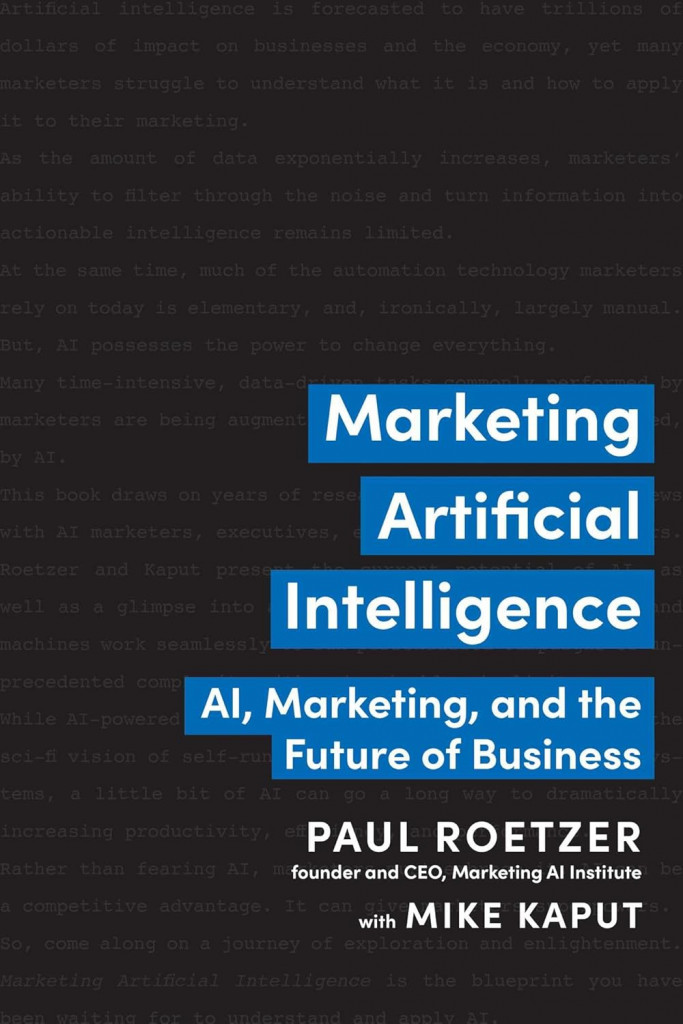
A marketing book on AI, automation, and future-ready strategies.
Why it matters
Marketing AI Institute’s Founder & CEO, Paul Roetzer, and Chief Content Officer, Mike Kaput, show how to embrace technology and leverage it for a competitive advantage. The book provides a comprehensive study of how the industry is shifting, with professionals and machines working seamlessly together to craft campaigns with greater ease.
Key takeaway
Roetzer introduces the 5Ps of the AI framework: Planning, Production, Personalization, Promotion, and Performance. By breaking down technology into these categories, he helps you see exactly where it can optimize your methods and tactics. Whether it’s using data to predict conversion paths or automating repetitive content tasks, the goal is to drive efficiency so you can focus on higher-level strategy.
Best for
Marketing leaders and managers who need a structured, non-technical format to implement AI across their organizations.
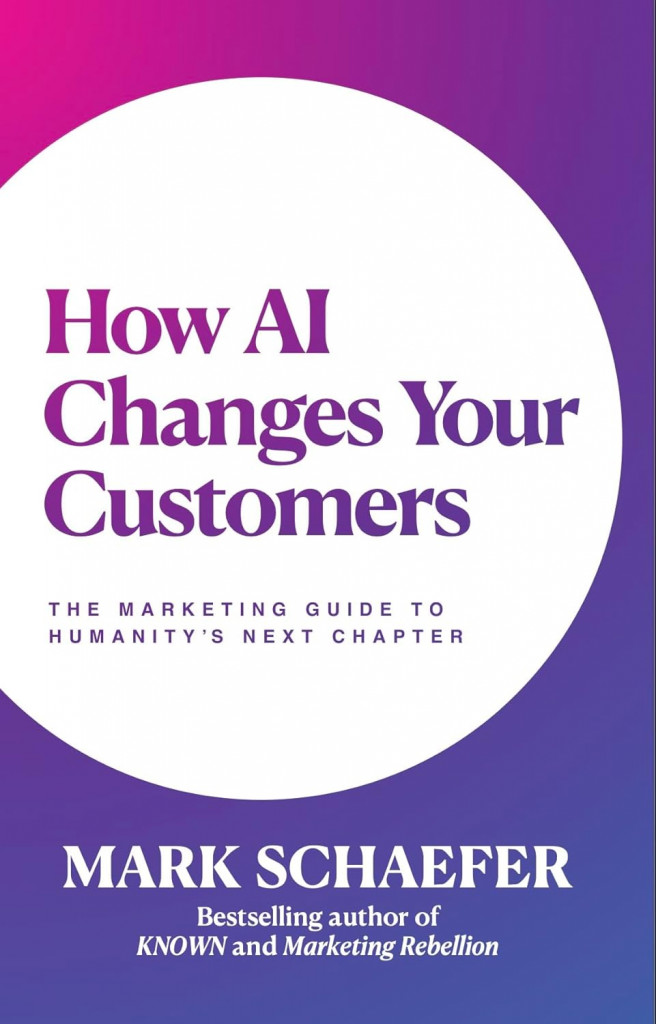
25. How AI Changes Your Customers by Mark Schaefer
A marketing book on AI, consumer behavior, and customer trust.
Why it matters
In How AI Changes Your Customers, bestselling author and futurist Mark Schaefer explores the new realities of consumer behavior. This book isn’t about technical algorithms; it’s about connecting with your buyers when their preferences are being reshaped by the technology around them. Understanding marketing in the age of AI requires a strategic shift from machine-led tactics back to human-led relationships.
Key takeaway
Schaefer presents the “human advantage map,” a proven framework that helps you keep your marketing approach relevant. He explores concepts like “synthetic empathy”- in which AI simulates human emotion and argues that the only way to gain a competitive edge is to counter it with a “human touch.” He also highlights how the role of the creator and influencer marketing must evolve; in a world of deepfakes, customers will crave “strategic awkwardness” and vulnerability that only real humans can provide.
Best for
Forward-thinking marketers and brand strategists who want to understand the psychological shifts of the next decade and how to stay relevant in a machine-driven world.
If you’re looking to go beyond just reading marketing books and want to apply these ideas to your own business, start by building a simple, actionable marketing plan. Whether it’s improving your content marketing, refining your positioning, or experimenting with new marketing strategies, the key is to take action consistently.
Share This Story
About the Author: Umikaa Ghatge

Related Posts



One Comment
Leave A Comment

Get the latest growth ideas, strategies, and best practices delivered to your inbox.
Quick read that helps 7000+ subscribers.









Thanks for sharing. I appreciate the effort you put into this content. Have a great day and thanks for sharing.